
Hefei Grand Nets Co., Ltd.
Call Us: +86 15605607108
E-mail: sugrand@grandnets.com
WhatsApp:+86 15605607108

- All
- Product Name
- Product Keyword
- Product Model
- Product Summary
- Product Description
- Multi Field Search
Views: 0 Author: SUGRAND Publish Time: 2025-07-11 Origin: Site
Scaffold safety nets are essential fall protection systems used in construction projects to protect workers, pedestrians, and equipment from falling hazards.
Unlike traditional guardrails, scaffolding safety nets offer a flexible safety solution that absorbs impacts and prevents tools, materials, and workers from falling from heights.
Scaffolding safety nets are designed for high-rise building, bridge construction, industrial maintenance, and infrastructure projects, and are typically made of durable high-density polyethylene (HDPE).
This guide will explain how scaffold safety nets work, their key advantages, installation requirements, and how to choose the right construction safety net for your project.
【HDPE construction safety nets】
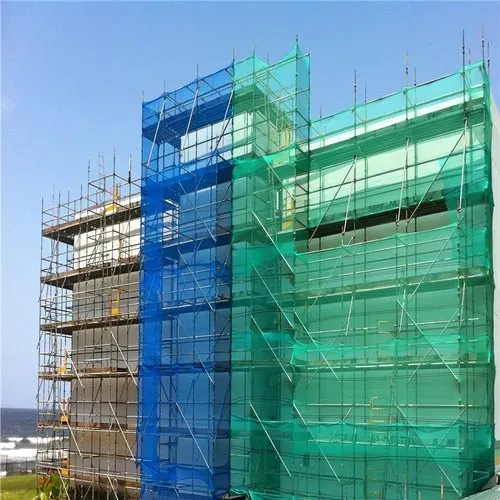
According to OSHA, falls account for nearly 40% of construction site fatalities. Construction safety nets act as:
A final line of defense after PPE and guardrails
A barrier that reduces fall impact
By reducing fall-related injuries, construction safety nets help protect lives and minimize compensation claims and work delays. They also enable safer movement across elevated work zones.
Construction sites are dynamic environments. Tools, materials, or equipment may fall unexpectedly. Nets installed around scaffoldings:
Prevent falling objects from harming pedestrians or workers below
Protect people near roadside or urban construction zones
Whether on bridges or ship decks, safety nets create a barrier, protecting the safety of all personnel near the project.
Most countries require building safety nets for scaffolds above certain heights. Nets help avoid penalties and improve overall site accountability.
Safety regulations stipulate that fall protection measures must be taken when workers are more than 6 feet (about 1.8 meters) above the ground. Safety nets ensure compliance with the safety standards of organizations such as OSHA and ANSI, thereby protecting contractors from legal sanctions.
| Feature | Benefit |
|---|---|
| Cost-Effective | Affordable compared to fall arrest systems |
| Multi-Industry Use | Ideal for buildings, bridges, ships, and roadside works |
| Downtime Prevention | Reduces site accidents and workflow interruptions |
| High Durability | UV resistant and weatherproof for long-term use |
Additional benefits include:
Quick installation and removal
Reusability over multiple projects
Custom sizing options for specific scaffold dimensions
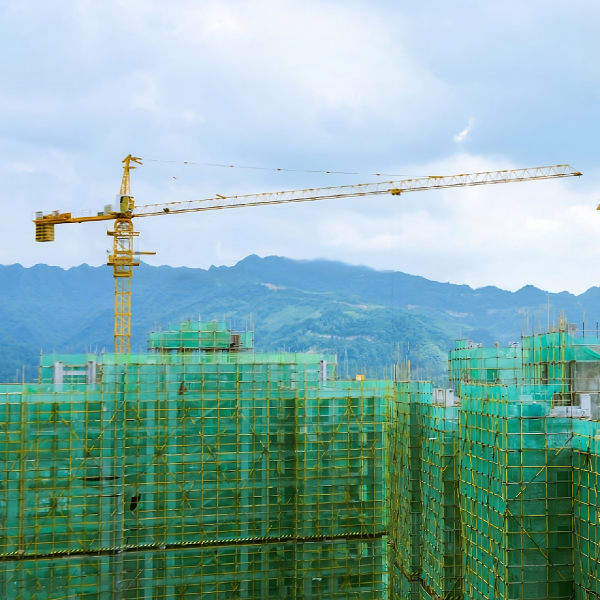
Large-scale buildings require workers to perform tasks like painting, window fitting, or concrete work at high elevations. building safety nets:
Provide safety in areas where scaffolds may be incomplete
Catch loose tools or falling debris from upper levels
Reduce liability risks on multi-floor sites
Bridge projects involve complex frameworks suspended above water or roads. construction safety nets:
Ensure safety in high-altitude environments
Protect workers from falls or dropped tools
Maintain safety despite wind or vibrations from traffic
Ship repairs often involve dry docks, slippery decks, or working on rigging systems. Scaffold nets:
Prevent workers from falling into the water
Catch parts or tools during high-altitude tasks
Provide structural stability on moving platforms
When repairing road signs or infrastructure near highways, safety nets:
Act as a safety barrier against passing vehicles
Protect pedestrians from falling objects
Maintain traffic flow by reducing accident risks
Scenario Highlight: SUGRAND' HDPE safety nets is highly recommended for road construction projects due to its visibility, flexibility, and easy setup.
Installation Tips:
Follow manufacturer instructions closely
Secure nets fully around the scaffold
Ensure tight anchoring points to prevent sagging
Maintenance Checklist:
Inspect weekly for holes or loose stitching
Replace damaged nets immediately
Document inspections to comply with safety regulations
Safety nets must be installed by trained professionals. Poorly installed nets may fail to function under stress. Regular inspection ensures safety standards are upheld throughout the project’s duration.
Common Installation Mistakes to Avoid:
Failing to secure corners
Overstretching the net, causing it to tear prematurely
Ignoring manufacturer-specific load ratings
【How To Choose The Right Construction Safety Net】
| Protection Method | Cost | Reusability | Impact Absorption | Ease of Installation |
| Scaffold Safety Net | Low | High | Excellent | Moderate |
| Guardrails | Medium | Medium | Low | High |
| Fall Arrest Harnesses | High | Medium | Moderate | Moderate |
Scaffold safety nets provide an excellent balance of affordability, effectiveness, and ease of use compared to other safety systems.
Scaffold safety nets, such as the HDPE Scaffold Net from SUGRAND, are not just accessories but essential safety tools. They:
Reduce injuries and fatalities
Improve workplace safety and efficiency
Ensure legal compliance and minimize project delays
By providing critical protection for workers and bystanders, scaffold nets make construction sites safer and more productive. Investing in quality nets is a long-term cost-saving strategy that reinforces a company's commitment to safety.
Final Tip: Choose UV-resistant, weatherproof HDPE scaffold nets from trusted suppliers like SUGRAND to ensure longevity and safety compliance.
For durable, UV-resistant, and industry-compliant scaffold nets, learn about HDPE scaffold Net.


