
Hefei Grand Nets Co., Ltd.
Call Us: +86 15605607108
E-mail: sugrand@grandnets.com
WhatsApp:+86 15605607108

- All
- Product Name
- Product Keyword
- Product Model
- Product Summary
- Product Description
- Multi Field Search
Views: 0 Author: SUGRAND Publish Time: 2026-01-30 Origin: Site
Shading solutions have become an essential tool for American agriculture in the face of challenges such as extreme weather and rising temperatures. Shading plays a vital role in agricultural production, mitigating the adverse effects of strong sunlight, regulating crop growth environments, protecting crops from damage, and supporting environmentally friendly farming practices. So, what exactly are shade cloth and agricultural netting? And how are they revolutionizing sustainable agriculture in the United States?
Shade cloth is typically made of materials such as high-density polyethylene (HDPE) or polypropylene, offering varying levels of shading and UV protection. Agricultural netting is more diverse, including anti insect nets, anti bird nets, and pp ground cover, used for comprehensive crop protection.
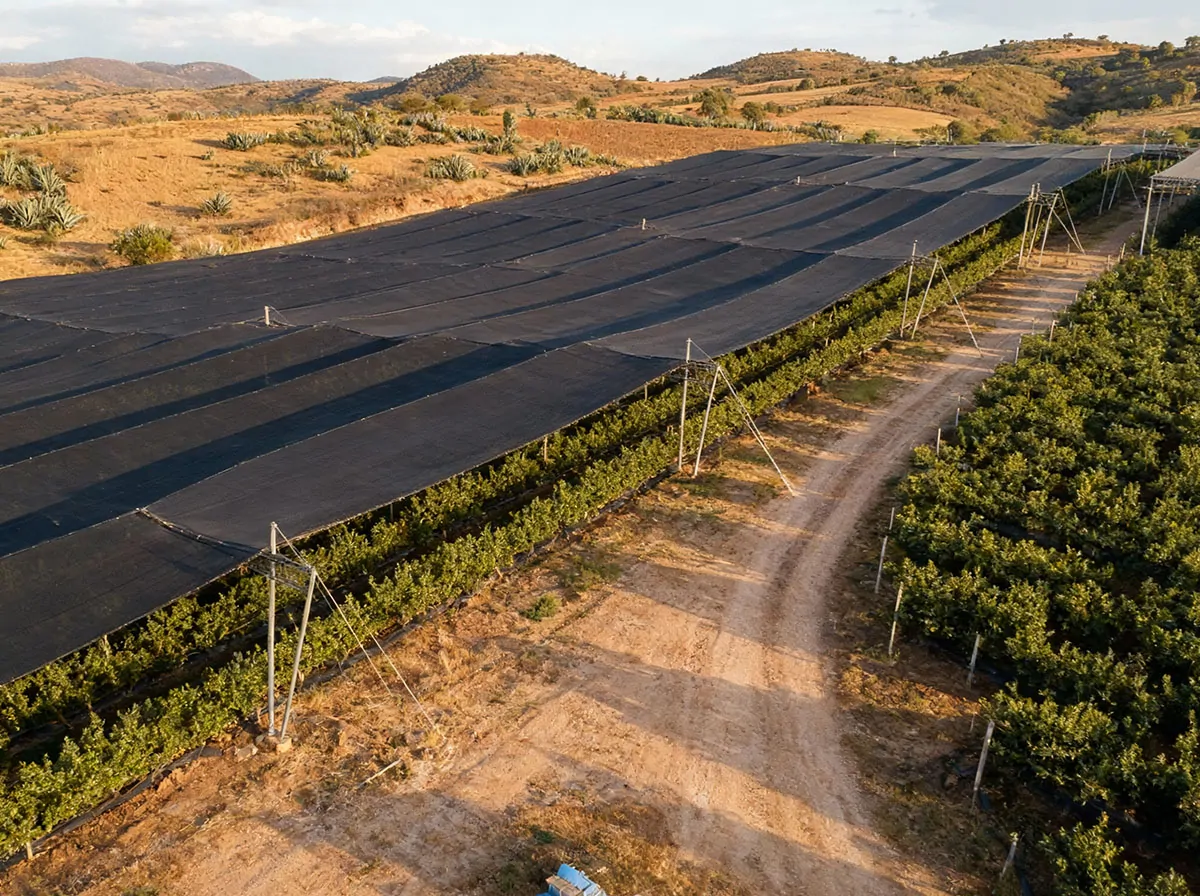
When it comes to shade solutions for American farms, three key types stand out for their versatility and effectiveness, each tailored to address unique agricultural challenges:
Greenhouse shading fabric is designed for seamless coverage of greenhouse structures, allowing growers to precisely control light intensity and temperature. Whether used to diffuse strong midday sunlight, prevent summer overheating, or extend the growing season in colder regions, greenhouse shading fabric offers unparalleled flexibility. Shading rates range from 30% to 95% and can be customized based on crop type and regional climate.
Ul traviolet radiation poses a significant threat to crops, causing sunburn, reduced photosynthesis, and decreased quality. UV resistant netting is specially treated to block harmful ultraviolet rays while allowing beneficial visible light to penetrate. This type of netting is ideal for open fields, orchards, and elevated greenhouse systems.
Garden netting is a versatile solution that goes far beyond shading. It provides gentle shade for delicate seedlings and young plants while effectively blocking pests, birds, and debris. Popular among small farmers and gardening enthusiasts in the United States, garden netting offer dual benefits, protecting tomatoes from birds and lettuce from intense sunlight.
Shade cloth has become a staple in sustainable agriculture for its wide-ranging benefits, addressing key pain points for farmers across the United States:
Different crops have different light requirements, and shade cloth can provide targeted protection. For heat-sensitive crops such as lettuce, spinach, and broccoli, shade cloth can filter out the strongest sunlight, keeping the plants cool and promoting healthy growth. For fruit crops such as strawberries, shade cloth can prevent the fruit from being sunburned, maintaining its appearance and market value
Greenhouses are ideal for extending the growing season. In summer, greenhouse temperatures can easily become too high; shade cloth can lower the internal temperature by 5-14°C. In winter, shade cloth can be used in reverse—in conjunction with insulation materials—to help maintain temperatures on cold nights, thus extending the growing season for low-temperature-sensitive crops.
From the arid Southwest to the drought-prone Midwest, many agricultural areas in the United States face increasingly severe water shortages. Shade cloth play a crucial role in water conservation by reducing water evaporation from the soil and plant surfaces. Studies have shown that farms using shade cloth can reduce water consumption by 20% to 30% compared to unshaded fields. This not only reduces operating costs for farmers but also aligns with sustainable water management practices.

Shade cloth have a wide range of uses and are suitable for various agricultural scenarios, demonstrating their value in different agricultural operations:
By creating a physical shield, shade cloth prevents insects like aphids, whiteflies, and caterpillars from accessing crops, reducing infestations and the need for chemical treatments. It also keeps birds, deer, and other wildlife away from valuable produce— a major concern for orchardists and open-field farmers. For example, cherry growers in Washington state use shade cloth to protect their fruit from birds pecking at it, which, if left unchecked, can result in crop losses of up to 30%.
Customizing shading solutions based on crop needs is key to achieving optimal results. Here are some examples of how shade cloth is used for common U.S. crops:
Orchards: 20-30% shading can reduce sunburn on apples, peaches and cherries.
Leafy Greens: 30-50% shade to prevent bolting and maintain tenderness.
Nurseries: 50-70% shade for young saplings and seedlings, promoting root development without stress.
When it comes to shade cloth and agriculture netting in the U.S., SUGRAND (https://www.grandnets.com/) is the trusted partner for farmers nationwide. With years of experience in the agricultural industry, SUGRAND delivers top-tier shade solutions that combine quality, innovation, and sustainability.
Farmers across the U.S. have trusted SUGRAND to enhance their operations. From California’s Central Valley to New York’s Hudson Valley, SUGRAND’s shade solutions have helped increase yields, reduce resource usage, and improve crop quality—proving their reliability in diverse climates and farming systems.
As climate change progresses, shade cloth will become increasingly important for sustainable agriculture, and choosing the right supplier is crucial. SUGRAND is committed to providing high-quality products and customized services to support American agriculture.


